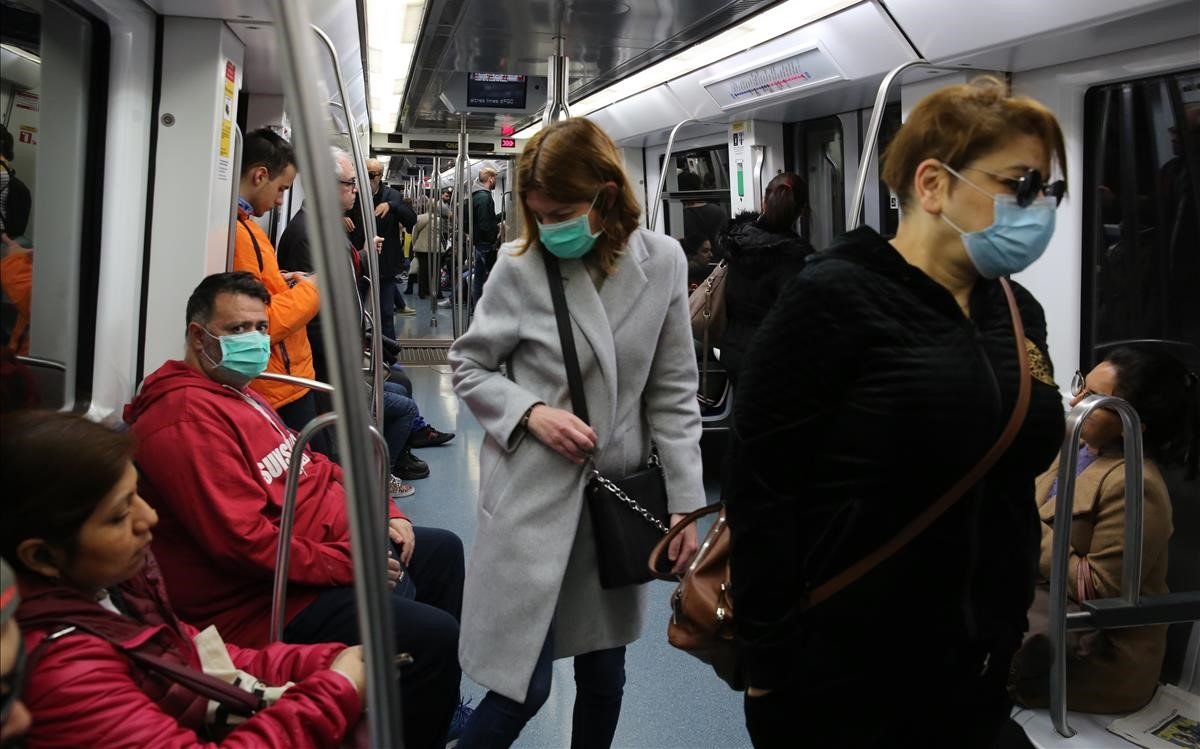
Barcelona is preparing for the population to leave their homes again after several weeks in quarantine. The much-desired de-escalation provides for a strict protocol, which also influences the city’s public transport. For this reason, Barcelona faces a large logistical challenge: how to maintain social distancing in a crowded city at a time when public transport has been reduced to one-third capacity.
Road accesses to the city and its streets may collapse when the “new normality” will arrive after the COVID-19 quarantine. The fear of contagion could lead users to travel in a private vehicle to maintain the recommended physical distance.
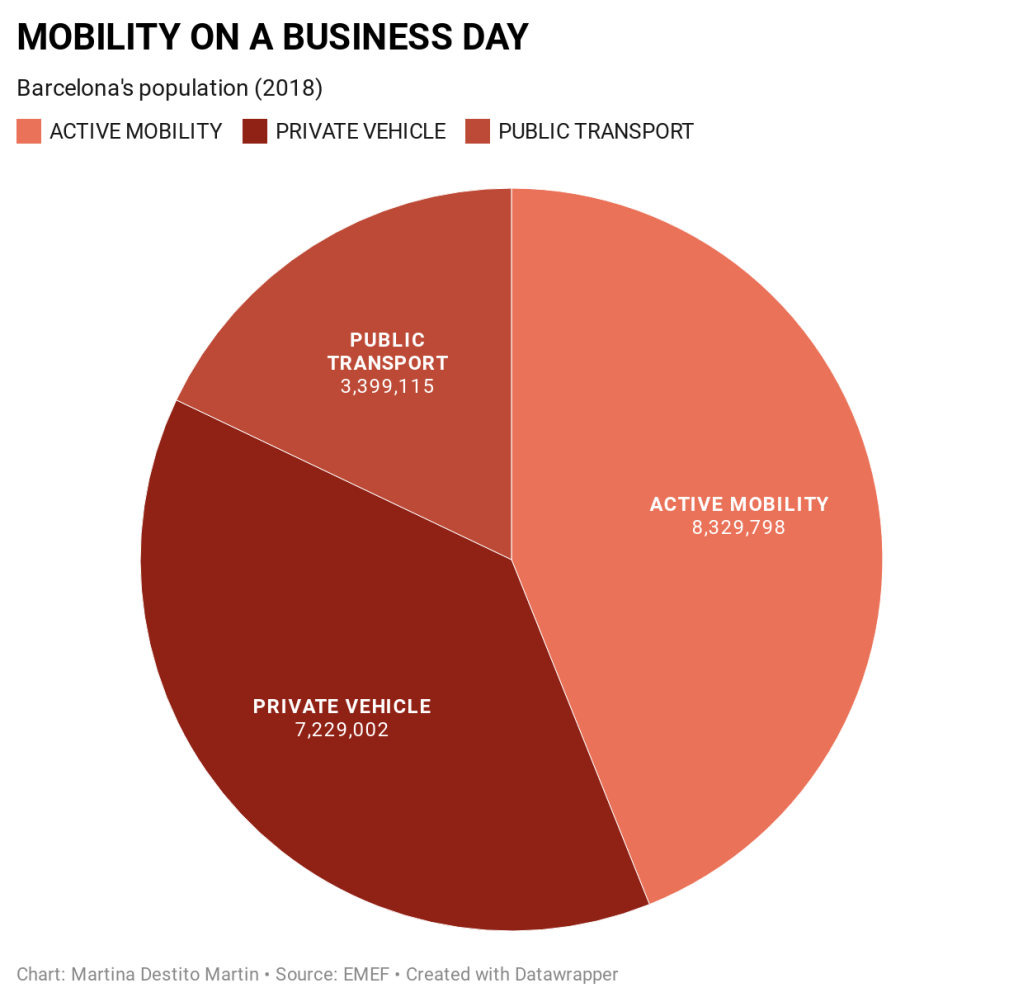
The warning is given by the data of the last weeks when there have been more trips by car and motorcycle than by subway and bus, a phenomenon that had not been seen for decades.
The City Council has decided to widen some sidewalks and create new cycling corridors. All these are provisional actions that forget metropolitan mobility, which accounts for the bulk of travel by car and public transport. Thousands of workers may be unable to board the train or bus when they arrive at their station. However, the short-term solution involves measures that have little to do with mobility and urban planning.
Experts and public transport operators agree that a social change should be promoted. The “new normality” should enhance smart-working as much as possible and make flexible working hours possible to end rush hour as we have understood it until now.
“It is also a matter of flattening another curve: the one of the rush hour,” Lluís Puerto, the director of the RACC (Royal Automobile Club of Catalonia) Foundation, said.
Transports Metropolitans de Barcelona (TMB), a commercial company that manages public buses and subway of Barcelona, Renfe, the main railway operator in Spain, and Ferrocarrils de la Generalitat (FGC), a railway company owned by the Government of Catalonia, see it as one of the few effective solutions to ensure compliance with safety distances. For this reason, the three main operators urge private companies and public administrations to laminate the start of the working day as a preventive measure, acting above all in the delicate morning strip, which is usually the busiest.
“If entry to work can be done at ten in the morning instead of eight, it should be done and help to decongest”, Gerardo Lertxundi, the CEO of TMB, said.
The decision, in large part, rests with the companies, for which Manel Villalante, general director of Strategy and Development of Renfe – which operates Rodalies – urges “to establish a social dialogue that makes this possible, in addition to certain flexibility in business hours”, since shopping is another great generator of displacement. The early closure of school activity also pushes in this regard.
Along the same lines, the president of FGC, Ricard Font, sees it as “an opportunity from which we should come out with a greater degree of smart-working“. It is a recipe that large cities like London try to apply from before the coronavirus appeared to reduce congestion and improve air quality.
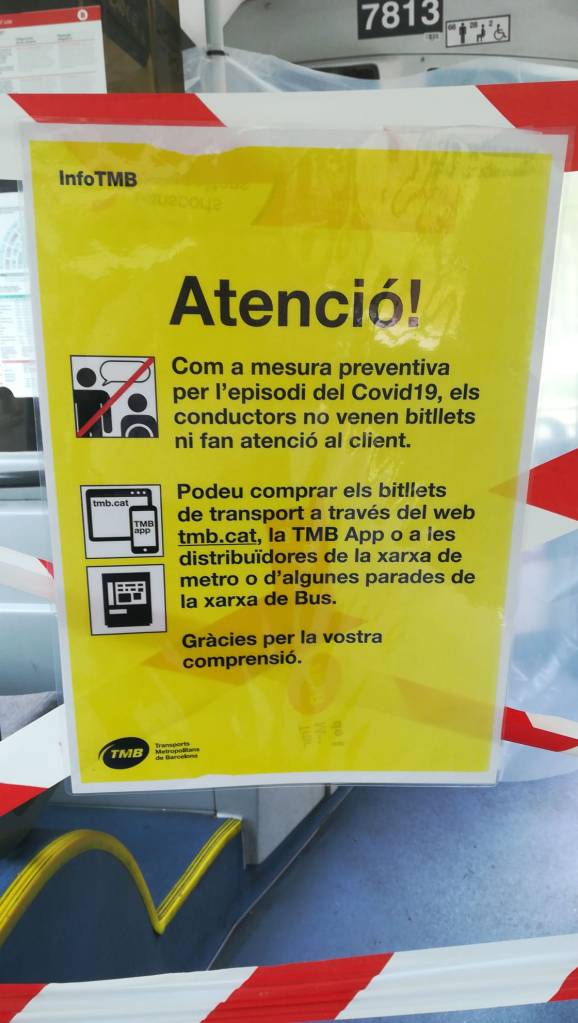
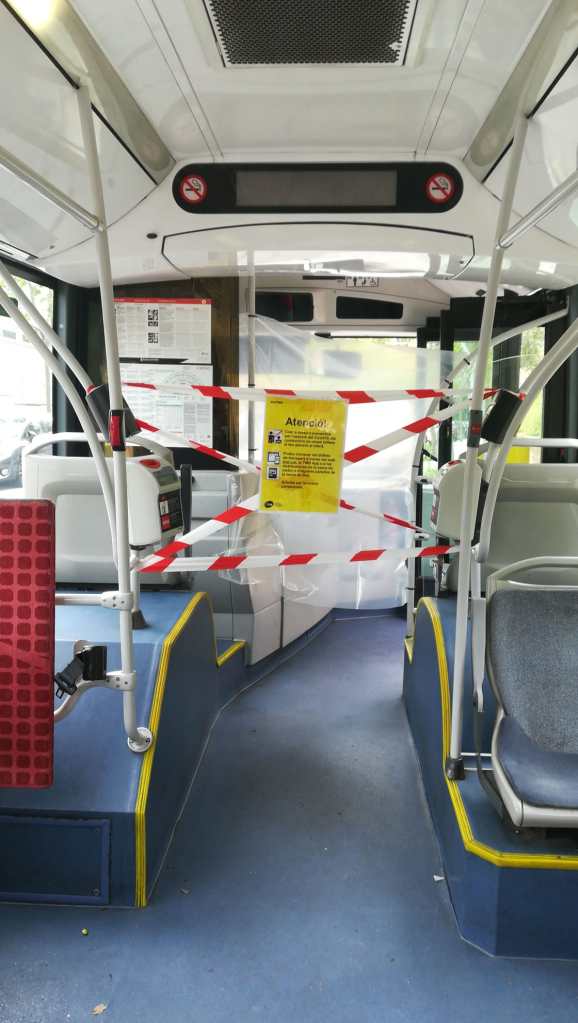
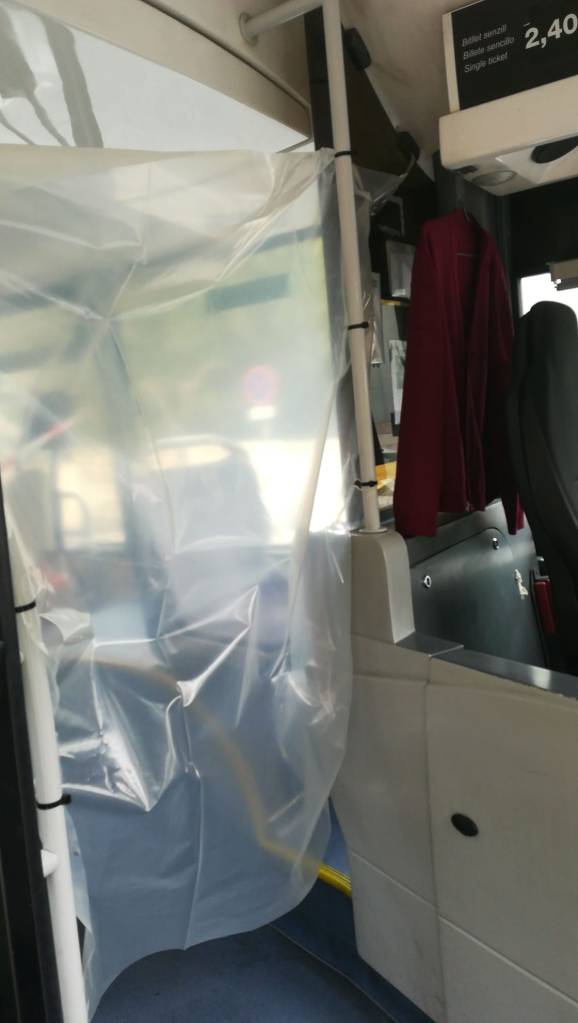
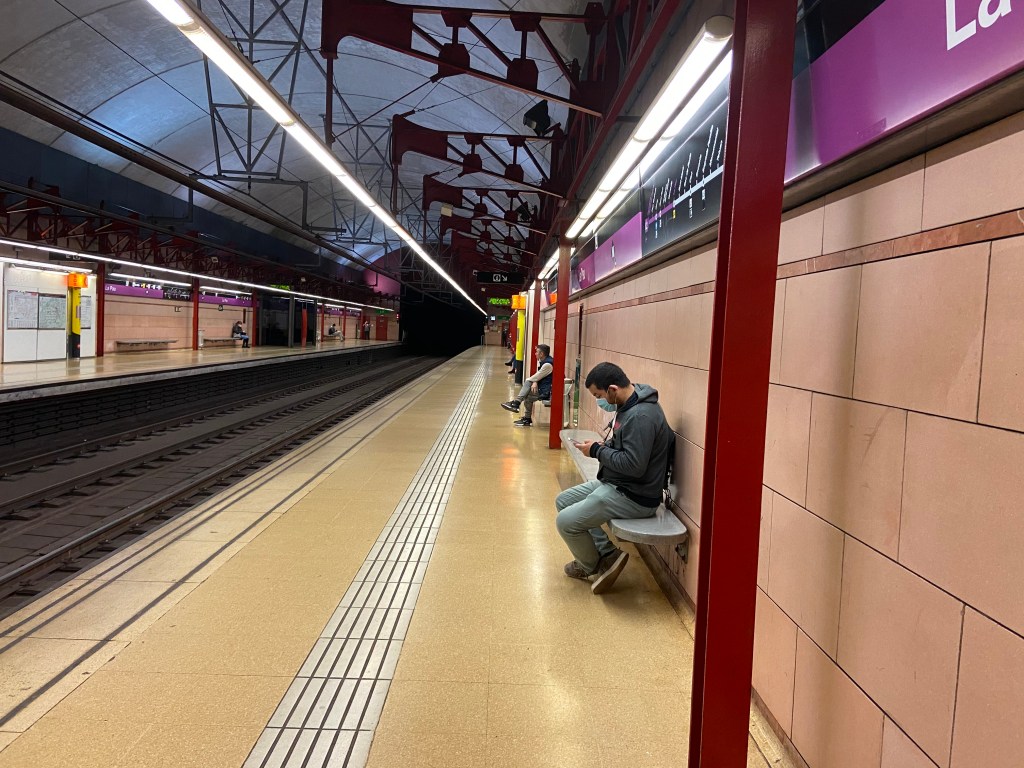
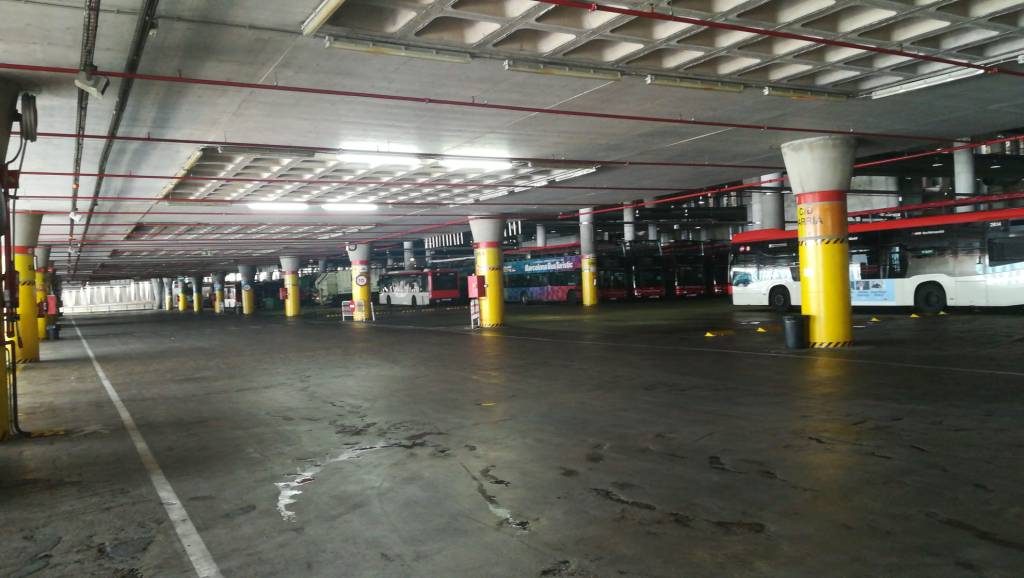
The idea of diluting rush hour is exactly the same for private transport. The Barcelona City Council is aware that what will happen in the weeks of de-escalation is largely unpredictable because there are no guarantees on how people will behave.
“The key is not the car but public transport and how it will recover its capacity. It is the main mode because it is the one that moves the greatest number of people at longer distances and in a sustainable way”, Adrià Gomila, director of Mobility Services for the Municipal Government, said.
In this sense, he points out that just as a rush-hour can be distributed, it is essential to make working conditions more flexible.
“If instead of going to the office for five days we go four, we are reducing displacements by 20% and we will help avoid collapse. We will have to face complicated situations”, Gomila argued.
The de-escalation is progressive. The final photo will depend largely on the confidence that public transport instills in users. After a few weeks in which operators have launched messages that they would never imagine, discouraging their use, now it is time to recover regular travelers who start to move. The obligation to wear a mask announced on May 2nd by the President of the Goverment, Pedro Sánchez, is an important step that responds to the demands made by the sector in recent weeks, since it will allow the distance of security between travelers, minimizing the risk of spreading the virus. The results obtained in Asian countries support this measure.
In addition, operators provide extraordinary contracts to reinforce cleaning and disinfection services, as well as modifications to stations to separate inflows and outflows and to distance, as far as possible, travelers.
According to Maria Cristina Sánchez, head of the train station cleaning division of Poblenou district in Barcelona, “keeping the space as clean as possible can lower the contagion rate when the population has to return to normal life.”
 A Day in the Life